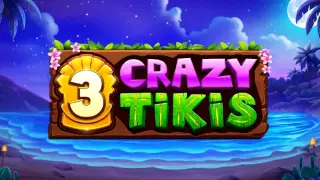
3 Crazy Tikis Demo
Table of Contents
3 Crazy Tikis Slot Review – Overview & First Impressions
What is 3 Crazy Tikis and who is it for?
3 Crazy Tikis is a tropical-themed online slot that mixes cartoon-style chaos with a fairly modern feature set. The action revolves around three mischievous tiki characters that jump into the gameplay with modifiers, free spins, and multipliers layered on top of a traditional reel setup. It is built for players who like a classic video slot structure but want more personality than another fruit or gem title.
This game tends to appeal to a few main groups:
- Casual spinners who enjoy colourful, light-hearted themes and don’t want to learn complicated rules.
- Feature-chasers who like random modifiers and free spin rounds doing most of the heavy lifting.
- Medium- to high-volatility fans who are comfortable with streaky sessions in exchange for decent top-end potential.
If you gravitate toward ultra-simple old-school stepper slots or, on the other end, very complex “book-style” mechanics, this one sits somewhere in the middle. It feels more playful than serious, but it is not shallow.
Quick snapshot: key facts at a glance (grid, paylines, main features)
Here is a compact overview of how 3 Crazy Tikis is typically structured in Canadian-facing casinos:
- Grid: 5 reels, 3 rows
- Win format: Usually 20 fixed paylines (left to right)
- Theme: Tropical island with animated tiki characters
- Core features: Wilds, scatters, free spins, tiki modifiers, multipliers, special wild behaviours
- Volatility: Medium-high (swingy but not brutal)
- RTP: Typically around the mid‑96% mark (can vary by operator)
- Max win: Several thousand times your stake, depending on configuration
- Platforms: Desktop, mobile browser, and tablet
Exact numbers such as RTP and max win can shift slightly from one online casino to another, since some operators pick alternate math profiles. It is always worth checking the info screen in the game client on your chosen site before you settle in.
First impressions: how it feels to spin a few rounds
The first few spins on 3 Crazy Tikis usually feel light and bouncy. Reels move at a brisk but not frantic pace, and the overall animation style leans into cartoon rather than realism. When the tikis get involved, the screen livens up with quick cut-ins, small camera shakes, and bursts of light or fire around the reels.
Base game hits tend to be modest at lower stakes, though they land often enough that the balance does not evaporate immediately. When a modifier or bonus tease kicks in, the audio ramps up and the pace tightens slightly, so it is clear that something different is happening. The interface stays uncluttered: bet controls are obvious, and information panels sit in the background unless you open them.
The early impression is of a polished, easygoing slot that hides some teeth behind the bright exterior.
Theme, Setting & Visual Atmosphere
Overall theme: tropical chaos with a tiki twist
Everything in 3 Crazy Tikis orbits around a lively island vibe. The three main tiki heads each have their own personality: one feels fiery, another more laid-back, and a third has that trickster energy. They show up in the main game and during features, acting more like hosts than simple background ornaments.
The setting blends familiar tropical ingredients (palms, torches, surf, carved wood) with a slightly exaggerated, cartoonish look. It is not the sort of serene beach slot where nothing much happens. The mood is closer to a late-night beach party where something might suddenly catch fire or explode into coins. When features trigger, the tikis crackle, flare, and shake, giving a sense of barely contained chaos.
Background, colour palette and mood
The backdrop usually shows a stylized island scene: a fading sunset sky, deep blues and purples at the edges, and glowing torches throwing warm light across carved wooden structures. There is a solid balance between warm and cool tones, so the view stays easy on the eyes even during longer sessions.
Symbol colours lean toward saturated greens, reds, and yellows, which helps them stand out clearly against the darker reels. Lower symbols are clean and simple, while premium icons and tiki faces have more texture and shading. The mood is energetic without being aggressively bright. It feels more like a late-evening tropical party than a high-noon beach.
Animation style and reel motion
Reel motion is smooth, with a slight bounce when the reels come to a stop. Wins trigger small bursts of particle effects or subtle highlights around the winning symbols, instead of constant full-screen fireworks. That restraint makes genuinely big hits feel more distinctive.
The tikis themselves carry most of the animation work. They tilt, blink, and flare with elemental effects when their modifiers activate. One might spit out wilds, another might smack the reels to reshuffle symbols, and another might blow multipliers across the grid. These actions are delivered through short, snappy sequences that do not drag the pace down.
Sound design: music, effects, and how they change in bonuses
Audio leans into the island theme with a light percussive soundtrack, steel drums, and relaxed guitar riffs. During standard base play, the music sits comfortably in the background and is easy to tune out if you are multitasking on a phone or tablet.
When free spins or a major modifier triggers, the soundtrack shifts gears. The tempo picks up, extra percussion layers come in, and the tikis throw in small vocal stabs or laughs. Win sounds have a more “wooden” and percussive feel than metallic chimes, matching the carved-tiki look. Over extended play, the loop is not overly repetitive, and volume levels are sensible, though many Canadian players will likely still nudge it down a bit while streaming or browsing.
Mobile vs desktop presentation and performance
On desktop, there is more breathing room around the reels, so the background art gets a chance to shine. On mobile, the layout tightens but remains legible. It is clear the developers expect a lot of phone play, because symbols and buttons stay large enough to tap comfortably.
On a modern smartphone, the game typically loads quickly and runs at a stable frame rate. Older devices may need an extra second or two on the first load while audio and animation assets download, but once cached, performance settles in. Portrait mode keeps the reels tall and central, while landscape gives more space to the paytable and controls. Both orientations are fully playable, though portrait usually feels more natural for one-handed use.
Symbols & Payout Structure
Low-paying symbols: what they are and how often they show up
The low-paying symbols are usually stylized card ranks (10, J, Q, K, A) or simple island objects, depending on which version your casino runs. Either way, they are colour-coded and clearly separated, so quick-glance recognition is straightforward.
These icons appear frequently and form the backbone of smaller hits. Expect to see them on most spins, often in mixed combinations across several lines. Payouts per line are modest, but because they land in clusters, they help soften downswings. Over a typical session, low pays often cover a good portion of your stake on many spins and sometimes deliver a small profit when several lines connect at once.
Premium symbols: character tikis and top-paying icons
Premium symbols are where the game’s visual personality really shows. You can expect:
- Colourful tiki masks with distinct faces and features
- Thematic objects such as drums, torches, or decorated totems
These pay significantly more per line and are the ones you want to see stacked. Full or near-full lines of the same tiki can move your balance noticeably, especially at medium or higher stakes.
They appear less often than the low-paying symbols, but when they hit, the combination of stronger payout, more elaborate animation, and punchier sound effects makes them stand out. In some setups, one particular tiki acts as the top symbol and can be responsible for the largest line-win outcomes outside the main bonus round.
Wild symbols: appearance, behaviour, and any special rules
Wilds are typically represented by a clearly labelled icon or an especially ornate tiki symbol that stands apart from the rest. Visually, they may glow or pulse with animated highlights, making them very hard to miss.
Functionally, wilds substitute for regular symbols to complete or extend winning lines. A few standard rules usually apply:
- Wilds do not replace scatters.
- In some versions, wilds can expand or become sticky during specific features.
- Certain tiki modifiers may add extra wilds to the reels or temporarily transform other symbols into wilds.
Those wild-focused modifiers are where the game can spike in value quickly, so it is worth checking the in-game help section on your casino’s version to see exactly how they behave.
Scatter symbols and what they unlock
Scatter symbols typically handle the main bonus trigger, unlocking free spins or a dedicated tiki feature round. They are often shown as a bonus logo, a special mask, or an island emblem that looks distinct from regular symbols.
Landing enough scatters (commonly three or more) anywhere on the reels in a single spin launches the bonus. Position usually does not matter, only the total count. In some implementations you might also see:
- A separate scatter payout on top of the feature trigger
- Higher scatter rewards when you land four or five at once
Near-miss situations with two scatters on the reels are common, and you may see them repeatedly before a full trigger arrives. That tension fits the medium‑high volatility profile.
Paylines, winning combinations, and how wins are calculated
3 Crazy Tikis typically uses a standard left‑to‑right payline structure, often with 20 fixed lines. To land a win, you normally need:
- At least three matching symbols on a line (sometimes only two for the very top symbol)
- Symbols starting on reel 1 and continuing consecutively along the payline
Only the highest win per line is paid, though multiple lines can pay on the same spin. The total win is the sum of all line wins, plus any scatter payouts or feature-related wins that occur on that spin.
Because the number of lines is fixed, your bet controls usually adjust the total stake instead of individual coin values per line. That keeps things simpler for casual players and avoids accidentally deactivating lines.
Math Model: RTP, Volatility & Hit Frequency
Theoretical RTP range and what it means in practice
Most configurations of 3 Crazy Tikis sit around the mid‑96% RTP range, which is a common benchmark for modern online slots. That percentage is a long-term theoretical return calculated over a very large number of spins, not a guarantee for a single session.
Some casinos may host alternate RTP versions, slightly lower or occasionally higher, depending on regulation and operator choices. This is why it is worth opening the paytable or info menu and confirming the exact RTP stated in the game client you are using.
In practical terms, a mid‑96% RTP suggests a fair return relative to many other video slots available to Canadian players. It will still produce losing sessions, but it is not tuned to be excessively harsh.
Volatility level: how swingy the game feels session to session
3 Crazy Tikis leans into medium-high volatility. That usually means:
- Small wins appear regularly, driven mainly by low-paying symbols
- Medium wins cluster around feature hits or strong premium combinations
- Big wins are rarer and usually tied to full-screen or high-multiplier situations in the bonus
Sessions can feel quite different from one another. There are stretches where you spin for a while with mostly break-even or small-loss results, then a single feature hit swings the balance sharply. There can also be dry spells where bonuses feel reluctant.
Hit frequency and average win size expectations
Hit frequency is moderate. You see wins on a reasonable number of spins, but many of them are small and sit below your total stake. The average base game win is not huge, and the math is clearly designed around features carrying most of the higher potential.
Once a feature lands, average win sizes step up, often delivering several times your bet or occasionally something stronger. The structure tends to produce:
- Regular “small top-ups” between features
- Occasional medium hits from stacked premium symbols in the base game
- Larger spikes that are mostly reserved for bonus rounds where multipliers and wild mechanics line up well
How the math model suits different player types (casual vs risk-takers)
For casual players, the steady trickle of smaller hits and the lively theme make 3 Crazy Tikis approachable. With sensible bet sizes, it is possible to stretch a session and enjoy the presentation without burning through a bankroll too quickly.
Risk-takers who like chasing larger payouts will be more interested in how multipliers and stacked wilds can combine in the bonus. The medium-high volatility gives enough punch for meaningful wins without going to the extremes of very high-risk “one big hit or nothing” slots.
If you are very risk-averse and prefer low-volatility games where the balance moves slowly, this one may feel a bit too choppy. If you enjoy some swing but still want entertainment value and regular visual feedback, the math profile sits in a reasonable middle ground.
Session dynamics: streaks, dry spells, and bonus pacing
Sessions typically flow in waves. You might encounter:
- Short bursts of frequent small wins with scatter teases popping in
- A run where several features land within a relatively tight window
- Longer quiet stretches where the base game does most of the work with modest hits
Bonus pacing can feel streaky. Sometimes free spins seem to pop up every 50–80 spins, while at other times you might go 150+ spins without a major feature. That pattern is normal for this volatility level, but it does mean bankroll planning matters, especially if you like to chase the main bonus.
Betting Range & Stake Customization
Minimum and maximum bet sizes (and typical ranges in Canadian casinos)
Exact bet limits depend on the operator and platform, but in many Canadian online casinos you will see something along these lines:
- Minimum bets often around $0.20 or $0.25 per spin
- Common mid-range stakes from $0.50 to $5.00
- Higher limits that sometimes reach $50 or even $100 per spin on certain sites
The game is clearly designed to be accessible at low stakes while still leaving room for higher rollers. Before you start, it is worth checking the bet slider or +/- controls, as local versions may tweak these ranges slightly.
Adjusting coin values, lines, or total bet (if applicable)
In most implementations, paylines are fixed, so you do not toggle them on or off. Instead, you typically adjust:
- The total bet per spin via a slider or step buttons
- In some versions, a “coin value” setting that indirectly controls the total stake
This keeps the setup straightforward. You decide how much you are comfortable betting per spin, and the game handles the per-line math in the background. There is no risk of disabling lines and missing a potential big win.
How bet size affects feature behaviour and potential payouts
Bet size does not change the underlying odds of triggering features or landing particular symbol combinations. What it affects is:
- The absolute size of every payout, since wins are usually calculated as multiples of your stake
- How sharp winning and losing streaks feel, especially at higher stakes
Because many of the more notable wins in 3 Crazy Tikis are tied to multipliers or stacked symbol events, larger bets scale those moments significantly. They also magnify losing runs, though. The features themselves behave the same whether you are spinning at $0.20 or $20.
Bankroll planning for low, medium, and high stakes players
For a medium-high volatility slot, a rough guideline looks like this:
- Low-stakes players: Consider a bankroll of at least 100–200 spins at your chosen bet. At $0.20 per spin, that works out to roughly $20–$40.
- Medium-stakes players: Aim for 150–300 spins to ride out dry spells. At $1.00 per spin, that is about $150–$300.
- High-stakes players: Either accept shorter, higher-intensity sessions or bring a bankroll that can handle longer gaps between bonuses. At $5–$10 per spin, those same 200 spins add up quickly.
These are only general pointers. Gambling should always be done with money you are fully prepared to lose, and setting personal loss and win limits before you start is usually a healthy habit.
Core Gameplay: Base Game Flow
Reel layout, paylines/ways, and spin speed
The core layout in 3 Crazy Tikis is familiar: 5 reels, 3 rows, and a set number of paylines. Spin speed sits in the medium-fast range. Symbols flick into place quickly, and the short pause at the end of each spin is just long enough to register wins without feeling sluggish.
This pacing makes it easy to run through a lot of spins in a short period, especially with autoplay enabled. If you prefer a slower experience, it can help to consciously pause between spins, as the natural rhythm of the game leans toward steady, continuous play.
Base game modifiers or random events (if any)
One of the main hooks here is the presence of random tiki modifiers in the base game. Exact details can differ between versions, but you can generally expect events such as:
- A tiki jumping onto the screen to throw wilds onto random positions
- A reshuffle effect where non-winning symbols are re-spun for a second outcome
- A multiplier boost that applies to the current spin’s wins
These events are not guaranteed to pay big every time, but they break up stretches of standard spins and occasionally create solid hits without needing the full bonus round.
Balance of base game wins vs waiting for features
The base game in 3 Crazy Tikis is more than pure filler. Small and medium hits appear often enough to keep the balance moving and the reels feeling active. That said, the largest payouts are clearly weighted toward free spins and stacked modifier combinations.
If you go in expecting the base game alone to carry massive returns, it may feel a little light. Treated as a way to sustain your bankroll and build toward bonuses, it works well. Many players will find themselves watching for tiki interventions and scatter patterns rather than focusing solely on regular line wins.
Autoplay, turbo, and other quality-of-life settings
Most Canadian-facing versions of 3 Crazy Tikis offer several quality-of-life options, including:
- Autoplay with a configurable number of spins
- Optional loss limits or single-win caps that halt autoplay when reached, depending on local rules
- A turbo or fast-play mode that shortens reel animations
These are handy if you enjoy longer sessions or like to let the game run in the background while you do something else. Just remember that faster modes compress more spins into the same amount of real time, which can make your bankroll move more quickly as well.
3 Crazy Tikis Features & Bonus Rounds
Overview of all key features in 3 Crazy Tikis
The feature set in 3 Crazy Tikis usually includes:
- Random tiki modifiers in the base game
- Wild enhancements such as added wilds or special wild behaviours
- A main free spins bonus triggered by scatters
- Multipliers that can apply to individual spins or entire bonus rounds
- Special mechanics like sticky or expanding wilds during free spins (in some versions)
The mix keeps gameplay varied without becoming heavy on rules or overly technical.
Tiki-specific modifiers: what each crazy tiki can do
The three tikis generally have distinct roles. While exact names and designs vary, a typical setup might look like this:
- A wild-focused tiki that tosses extra wilds onto the reels or transforms existing symbols
- A multiplier tiki that applies a random win multiplier to the current spin
- A reshuffle or “second chance” tiki that changes non-winning outcomes into a fresh set of symbols
When a tiki activates, it usually appears beside or in front of the reels, performs a short animation, and then applies its effect. These interventions can turn a dead spin into something worthwhile and, on occasion, set up very strong combinations.
Random base game features: triggers and impact
Random features usually trigger unpredictably after an initial spin result is determined. You might see the reels stop with no win, and then a tiki suddenly wakes up to change things.
The impact of these features can range widely:
- Sometimes the modifier only nudges a small win into existence
- Other times it can fill a reel with wilds or amplify a medium win into something more noticeable
Since they are random, it is best not to plan around them. Treat them as pleasant surprises that occasionally push a session in your favour.
Main bonus round: how to trigger and what to expect
The main bonus round in 3 Crazy Tikis is typically a free spins feature triggered by landing a set number of scatter symbols on a single spin. Three scatters is the most common threshold, with some versions offering extra spins or higher starting multipliers for four or five scatters.
Once triggered, the game shifts to a dedicated bonus screen with a slightly different visual tone. Torches might burn brighter, the sky may darken, and the tikis become more animated. During the bonus, you can usually expect:
- More frequent wilds and multipliers than in the base game
- Tiki modifiers that are guaranteed or more likely to appear
- A noticeable jump in the potential for multi-line, high-multiplier wins
Free spins: structure, retriggers, and added extras
Free spins are generally awarded as a fixed batch, such as 8, 10, or 12 spins, depending on how many scatters triggered the round. During these spins, you might see:
- An enhanced reel set with more premium symbols or wilds
- Sticky wilds that remain in place for several spins or for the duration of the bonus
- Expanding wilds that stretch to cover an entire reel when they land
Some versions allow retriggers by landing additional scatters during the feature, adding extra free spins to your remaining total. Retriggers are not common, but when they happen, a bonus round can stretch out and offer several shots at a strong hit.
Multipliers: where they appear and how they stack
Multipliers can show up in a few different ways, depending on the version you are playing:
- As part of tiki modifiers that randomly boost a spin’s total win
- Attached to specific wild symbols during free spins
- As a progressive multiplier that increases with each win in the bonus, if that mechanic is enabled
In many cases, multipliers apply either to a single spin’s total win or to specific lines that involve special wilds. Some setups allow multipliers to stack, for example combining a reel multiplier with a wild multiplier. Those stacked moments are usually where the highest potential in 3 Crazy Tikis sits.
Special mechanics (e.g., expanding symbols, walking wilds, sticky wilds)
3 Crazy Tikis often plays around with wild behaviour during bonus features. Depending on the implementation, you might encounter:
- Sticky wilds that lock in place for the rest of the free spins
- Walking wilds that move left or right across the reels with each spin
- Expanding wilds that cover the full height of a reel when they appear
These mechanics are usually reserved for the feature rounds, which helps them feel more impactful when they show up. A screen with multiple sticky or expanding wilds lined up alongside premium symbols is where many of the game’s standout outcomes can appear, especially during the free spins bonus.
More Slots from Iron Dog Studio






| Provider | Iron Dog Studio |
|---|---|
| RTP | 93.00% [ i ] |
| Layout | 5-3 |
| Betways | 30 |
| Max win | x5000.00 |
| Min bet | 0.2 |
| Max bet | 50 |
| Hit frequency | N/A |
| Volatility | High |